“PROTECT PLAY, PROTECT CHILDHOOD”: COMMEMORATING THE INTERNATIONAL DAY OF PLAY
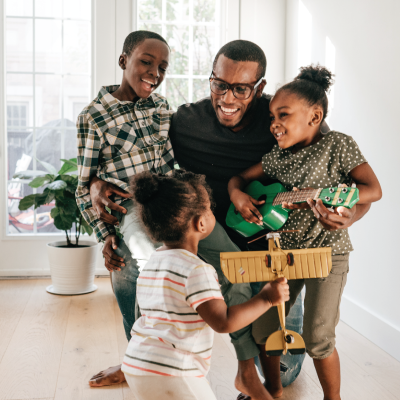
Every child has the right to rest, relax, play and to take part in cultural and creative activities.” – Article 31, United Nations Convention on the Rights of the Child
Play is more than fun – it is essential for every child’s development, well-being, and future. This International Day of Play, observed annually on 11 June, organisations across South Africa are calling on families, communities, and decision-makers to protect every child’s right to play.
From building creativity and confidence to strengthening problem-solving and resilience, play is one of the most powerful ways children learn, connect, and thrive. It supports children in building social and emotional skills, strengthens creativity and problem-solving, fosters resilience, and helps form meaningful connections.
Yet for many children, especially in densely populated and vulnerable communities in South Africa and globally, opportunities for safe, unstructured play are rapidly disappearing. Increasing safety concerns, limited public spaces, economic pressures, and shifting lifestyles are creating a growing “play deficit” worldwide. Without safe environments to play, even the most supportive caregivers face barriers in ensuring children can fully develop.
In response to this, the United Nations established the International Day of Play in March 2024, recognising the critical role of play in child development and calling on all sectors of society to prioritise it. International Day of Play is a time to celebrate the power of play and raise awareness about how central it is to every child’s development and well-being.
“Ensuring every child’s right to play is essential to building healthier, more resilient societies. Play must be prioritized – in our policies, our communities and in our everyday lives – because investing in play is investing in the future,” notes Johannes Wedenig, UNICEF South Africa Representative
This year’s theme, “Protect play, protect childhood,” is a clear call to action: without play, childhood itself is at risk. It serves as a reminder to governments, businesses, schools, and families that happy, healthy childhoods are built on play.
Echoing these sentiments is Dr. Monica Stach, Chief Executive Officer of Cotlands who emphasizes that “Play is far more than a child’s favourite pastime; it is a fundamental right and one of the most powerful ways children learn, connect and thrive. We call on families, communities and the private sector to work with us to ensure that every child, regardless of their circumstances, has access to safe, inclusive and high-quality educational toys and resources.”
HOPE worldwide South Africa Country Director, Dr. Marc Aguirre highlights that “Play is one of the most powerful, accessible, and cost-effective tools we have to support early childhood development. Every song sung together, every story shared, every game played, and every conversation held with a young child contributes to their growth, learning, and wellbeing. By embracing playful interactions in our daily lives, we can help every child get the best possible start in life.”
Based on these commitments, a global network of organizations is driving a movement to promote the power of play in key ways:
- Playful parenting – universal access to evidence-based parenting programmes
- Learning through play – universal access to early childhood education
- Space to play – safe, environmentally healthy play spaces for every child
To mark the Day, play events aimed at encouraging creativity, exploration, and movement are being held at specific ECD centres. Reading books, activity books and puzzles are also being distributed for children to take home, thereby encouraging continued play experiences in their home environments.
“Play gives children a language before they have all the words,” “It helps them explore big feelings, build confidence, practise empathy, and understand the world in ways that feel safe and joyful. When we protect time for play, we protect children’s right to learn, connect, imagine, and thrive, says Mari Payne, Deputy Managing Director at Sesame Workshop South Africa
About the Partners:
UNICEF
UNICEF works in over 190 countries and territories to protect the rights of every child, with a focus on the most disadvantaged: www.unicef.org/southafrica
HOPE worldwide South Africa
A national ECD nonprofit strengthening early learning systems and supporting caregivers to create nurturing environments for children: www.hopeworldwidesa.org
Cotlands
A nonprofit with 89 years of experience in early childhood development, providing play-based learning programmes and training to support vulnerable children: www.cotlands.org
Sesame Workshop International South Africa
Sesame Workshop International South Africa is the impact nonprofit whose mission is to help children everywhere to be stronger, smarter, and kinder. For over 25 years, we have worked at the intersection of education, media, and research, creating joyful experiences that enrich minds and expand hearts, all in the service of empowering each generation to build a better world.
Our beloved characters, iconic shows, direct services, and outreach in communities bring playful early learning to children in the context of all the ecosystem partners (families, parents, ECD Centers, educational institutions etc.) that enable them to be the best they can be. Takalani Sesame, the South African adaptation of Sesame Street launched in 2000 and has impacted millions of young lives to date.
Follow Sesame Workshop International South Africa and Takalani Sesame on LinkedIn, Facebook, X, Instagram, YouTube and via the website.
SUPPLIED.